Not Someone Else's Perspective — What's Mine?
Stock talk is everywhere these days.
At lunch, in meetings — someone's always naming a ticker.
I've been burned a few times myself.
I've always been curious: what lens do people actually use when they buy?
I heard that the man called Korea's Warren Buffett had published his first book in 15 years.
I opened it without much expectation — and ended up staying with it far longer than I planned.
Kang Bangcheon's Perspective.
This book doesn't tell you what to buy.
It tells you how to see.
If you need quick gains right now, it might feel frustrating.
But that's exactly the point.
Why Perspective Matters — A Standard That Beats Fear
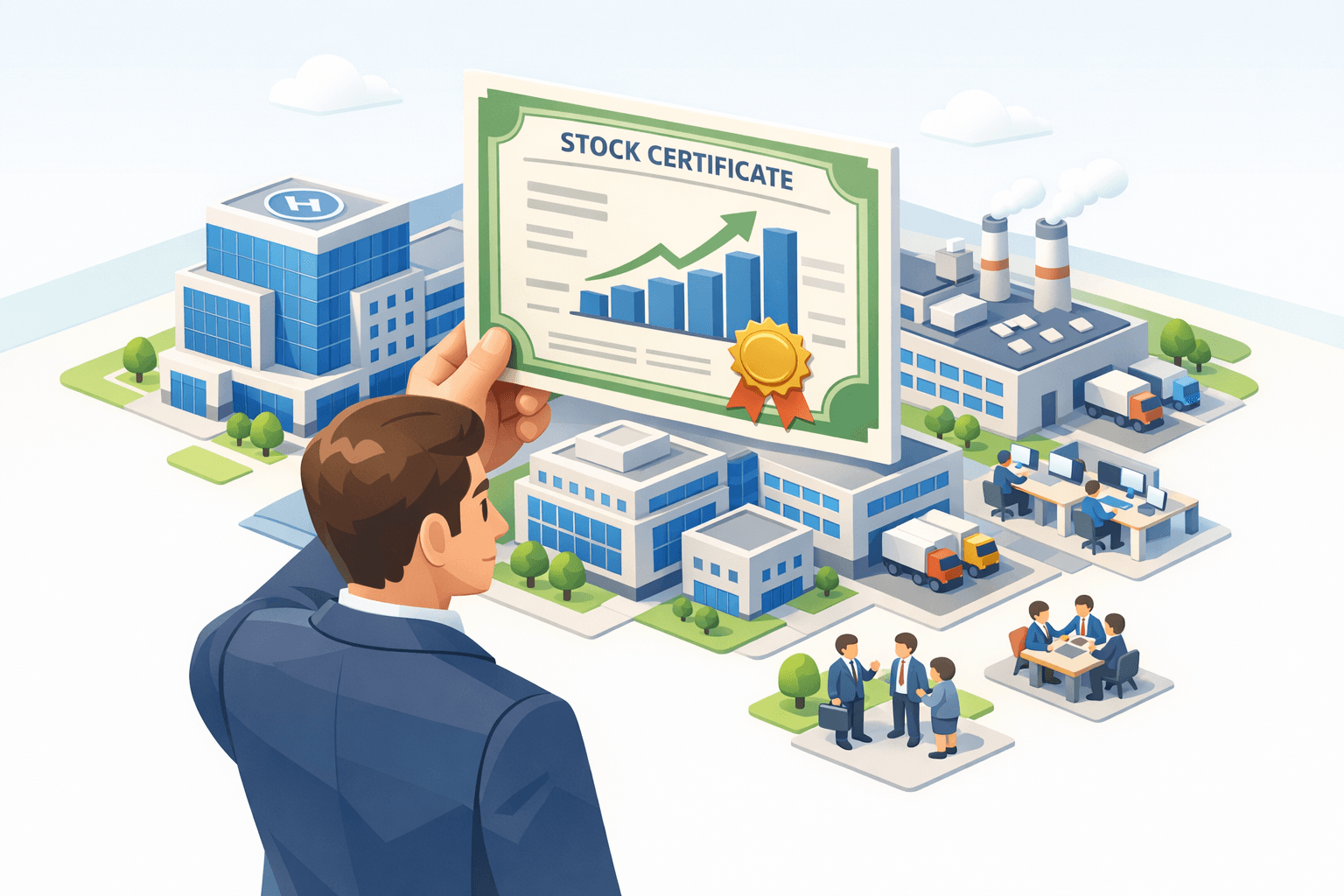
Chairman Kang Bangcheon turned 100 million won into 15.6 billion during the 1997 IMF crisis. He bought securities stocks when everything looked like it was collapsing. People around him thought he'd lost it. The question he asked himself then, he says, was: "Who am I?" It sounds grand, but the logic is simple. My job is to find good companies and walk with them — so the fear right now has nothing to do with my job. That unshakeable personal standard. That's perspective.
That's why the book is titled Perspective. Without charts, news, or YouTube trading rooms, the only thing you can hold alone is the viewpoint inside your own head. Without it, a small drop makes your hands shake; a small rise makes you sell everything. I've been there. I'd buy something and lie awake until 3 a.m. checking the app. I wasn't investing — I was being dragged around by prices.
"Stock investing is becoming an owner of a business."
That sentence stayed with me. If you're really the owner, how can you not know how the company makes its money?
Invest in the Market Leader — Companies That Get Stronger Over Time
The most repeated phrase in this book is "first-place company." Why does it have to be first? Because the gap widens with time. When the economy is booming, everyone piles in. If cosmetics are selling well, cosmetics companies multiply overnight; if shipbuilding is profitable, everyone starts building ships. Then recession hits. The weak disappear first. Only the leaders survive — and they come out of that process even stronger.
The key is that "first place" means something different in every industry. In consumer goods, brand makes the leader. In semiconductors, it's cost competitiveness. In a YouTube channel, it's subscriber count; in a resource company, it's reserves. The book makes this point: the first-place companies that have stayed by our side never once hit the daily upper limit. Conversely, most stocks that hit upper limits no longer exist.
Watch Wallets and Infrastructure — Daily Life Is Investment Research
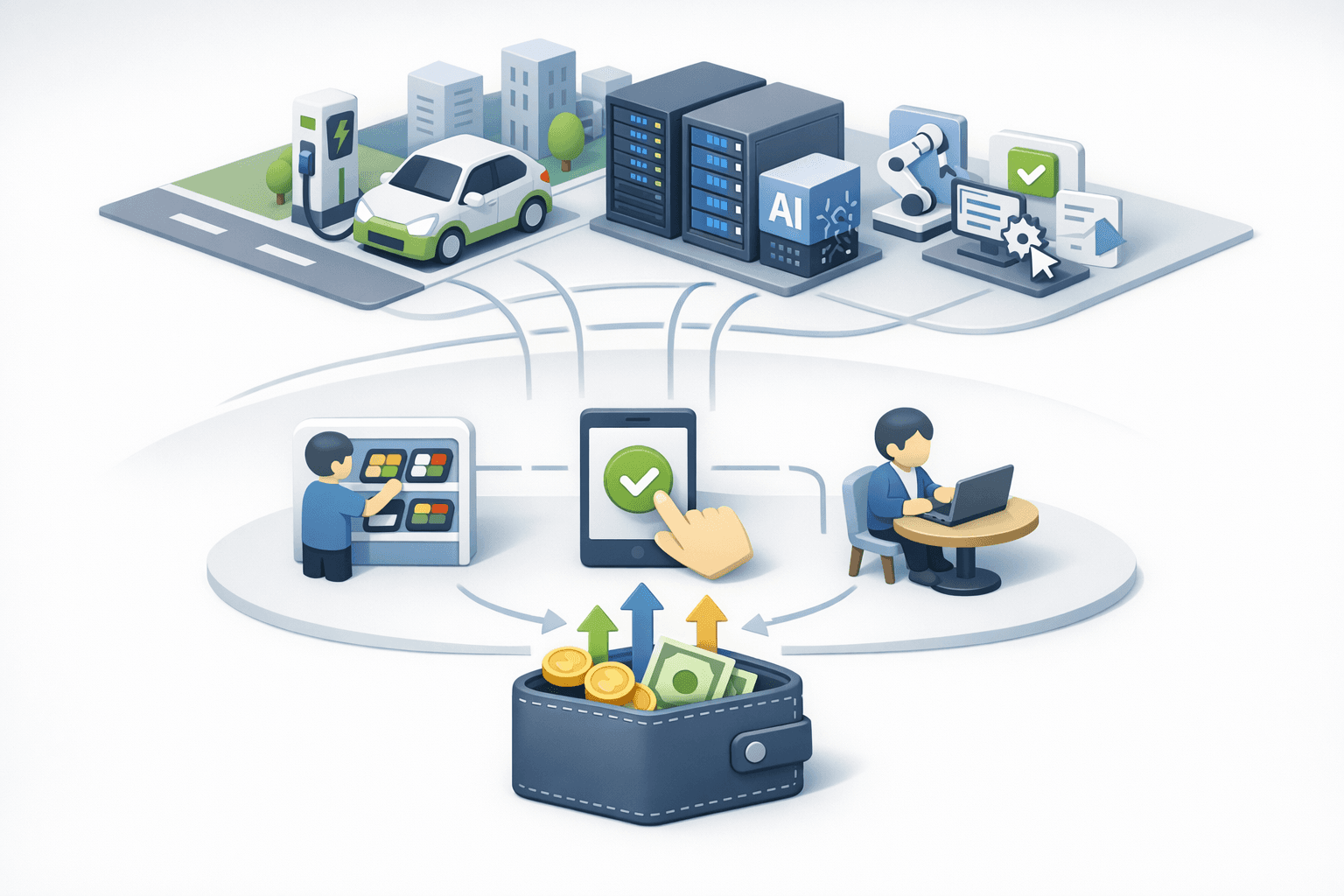
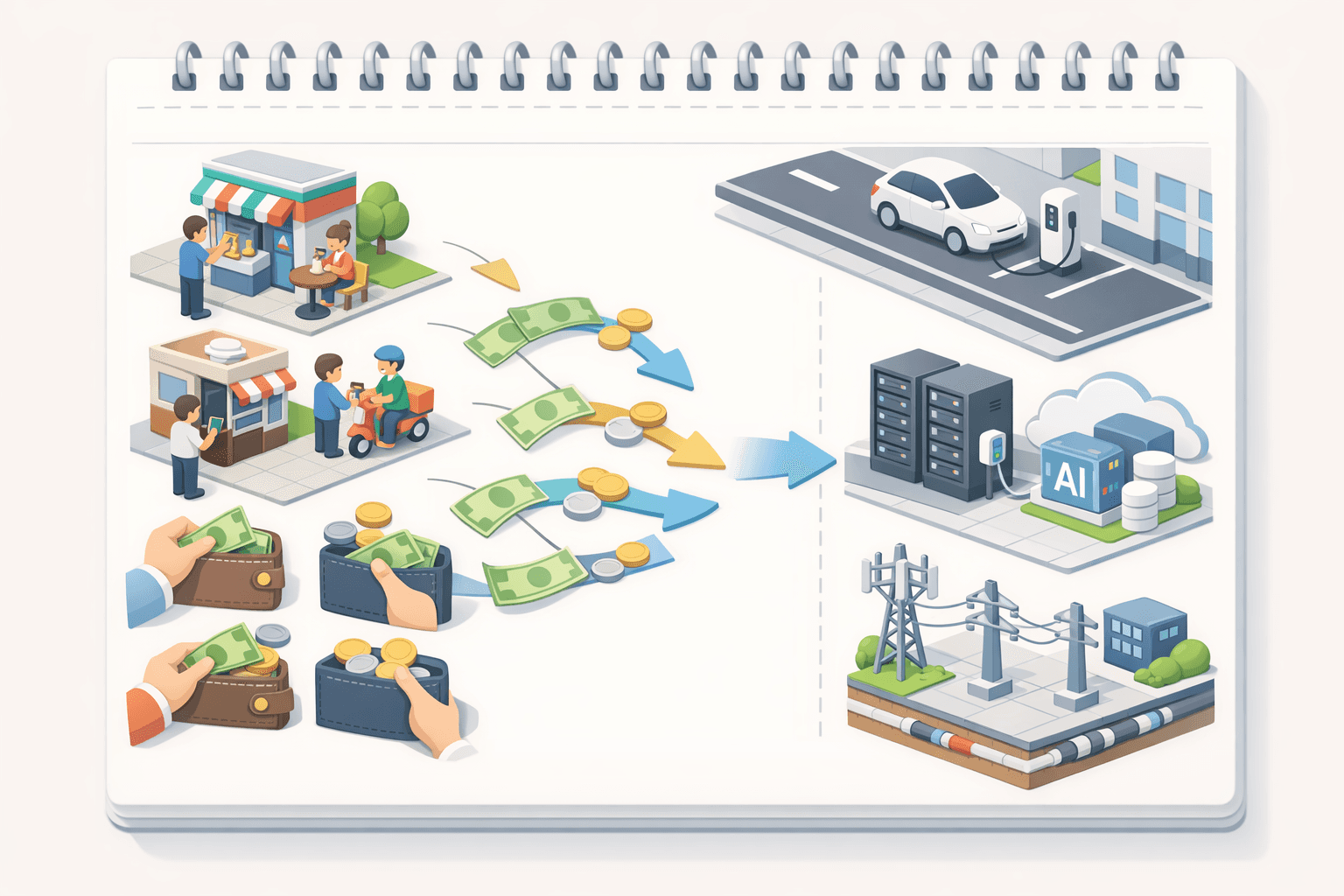
This was my favorite part of the book. "Wallets" means where people are spending money; "infrastructure" means what new systems are being laid down around us. You don't need fancy research reports. Just observe your own life.
Say lunch prices went up. What will people cut, and what will they keep? If you notice more convenience store lunch boxes being sold, look at the convenience store sector. If you sense people using delivery apps less, that's a signal too. If you see more people sitting in cafés after work with laptops open, something is shifting.
Infrastructure is bigger. When EV charging stations appear on every corner, the EV era is arriving. When every company is installing cloud servers, that's where money is flowing. These days, that's AI data centers. There's a moment at work when you think: "Wait — this used to take a person, but now this tool just handles it." That's infrastructure being laid. It's a faster signal than any report's numbers.
This is what makes Chairman Kang remarkable. He studied for his CPA and knows how to read financial statements. But he didn't stay trapped in those numbers. He layered on top of them the imagination he'd developed as a kid on an island, listening to radio and staring at maps. Understanding the fundamentals plus imagination — that's how you see value others can't.
This combination is formidable. Someone who only reads numbers sees only the present. Someone who only imagines floats in the air. You need both to see the future. (I enjoy watching his YouTube appearances — it's one of the few places you can actually observe his perspective in action.)
Buy the Business Model, Not the Balance Sheet
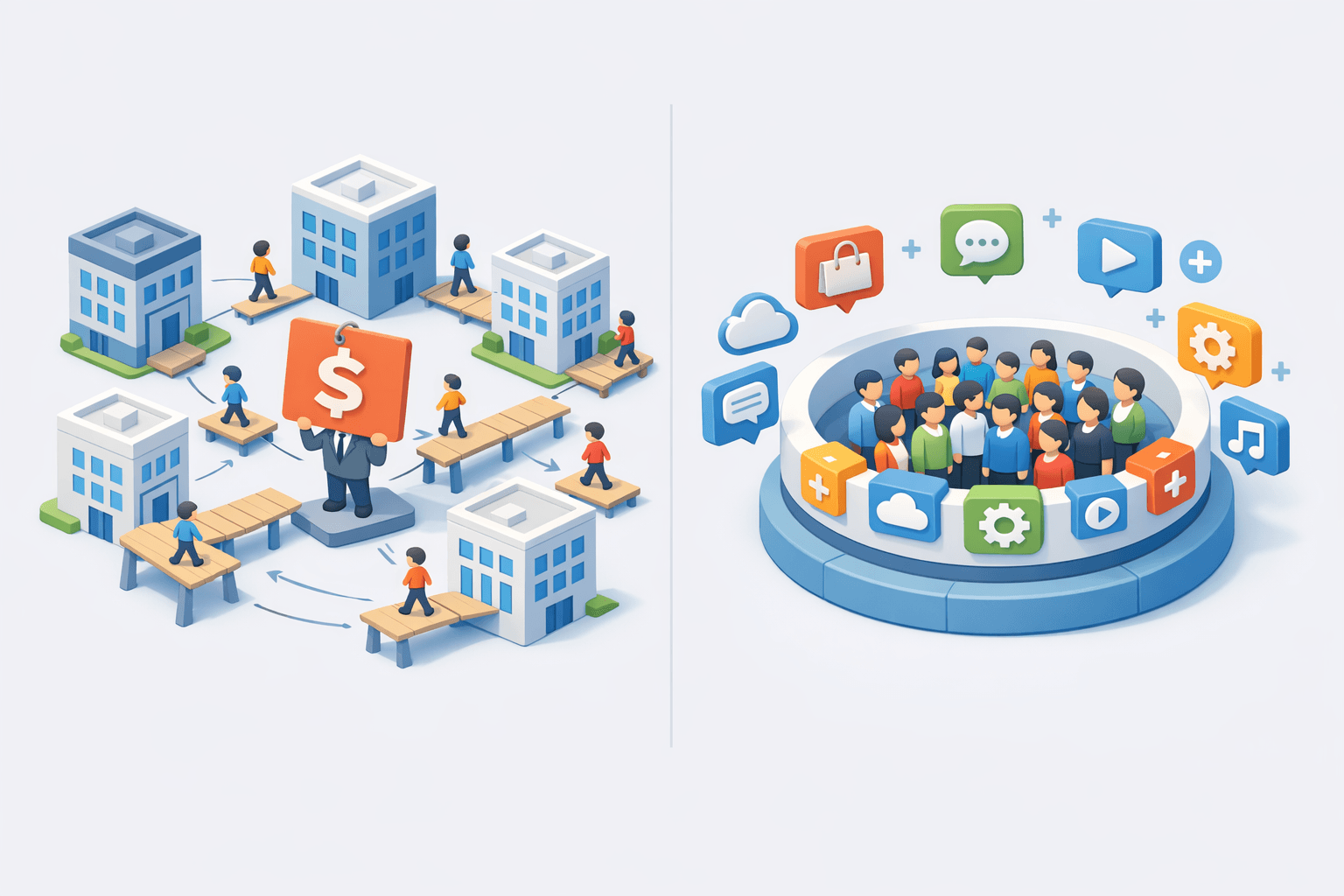
Anyone who's studied investing has heard this before — but Chairman Kang's criteria for a good business model are unusually clear.
One condition for a great business model is a structure where customers can't leave. High switching costs. A company where, even if prices rise a little, customers have nowhere else to go. Another is scalability: the ability to attach new products to existing customers.
Look at the services you use every day — many of them fit this description. Platforms you stay on because switching is annoying. Companies where you started with one product and somehow ended up using four. These companies expand their earnings. Conversely, the book says to avoid companies whose only competitive lever is price. Those companies see their margins continuously eroded.
Who Should Read This Book?
If you want quick profits from day trading, this book is not for you.
Honestly, there's not a single immediately actionable stock tip inside. But for someone who wants to be in the market for the long haul — someone who wants to learn how to hold through volatility without panicking — it's worth it. Especially for people just starting out in investing. Read one book like this properly now, and your account will look different in five or ten years.
After reading this, I made a few commitments:
- Before buying any stock, I can only buy it if I can explain in one sentence how the company makes money.
- I'll keep a note of where I see money flowing and what new infrastructure is being laid in my daily life.
- Before chasing momentum stocks, I'll ask whether this company will still exist in ten years.
Nothing grand. But if I stick to these three things, I'll already be better than the version of me from before.
Ultimately, it's about forming my own perspective. Investing is not a technique — it's an attitude. What Kang Bangcheon's Perspective taught me wasn't a stock ticker. It was a standard. Once you have a good perspective, every stock you buy afterward changes. Starting today, slowly, I'm going to try again.

— After reading Kang Bangcheon's Perspective —